INDUSTRY:
INFORMATION TECHNOLOGY
CLIENT:
ONTOLOGIC
TEAM:
HOWARD KIM, DARREN ANORGA, BRYAN DERAS
EXPERIENCE:
UX/UI DESIGNER

Ontologic
overview.
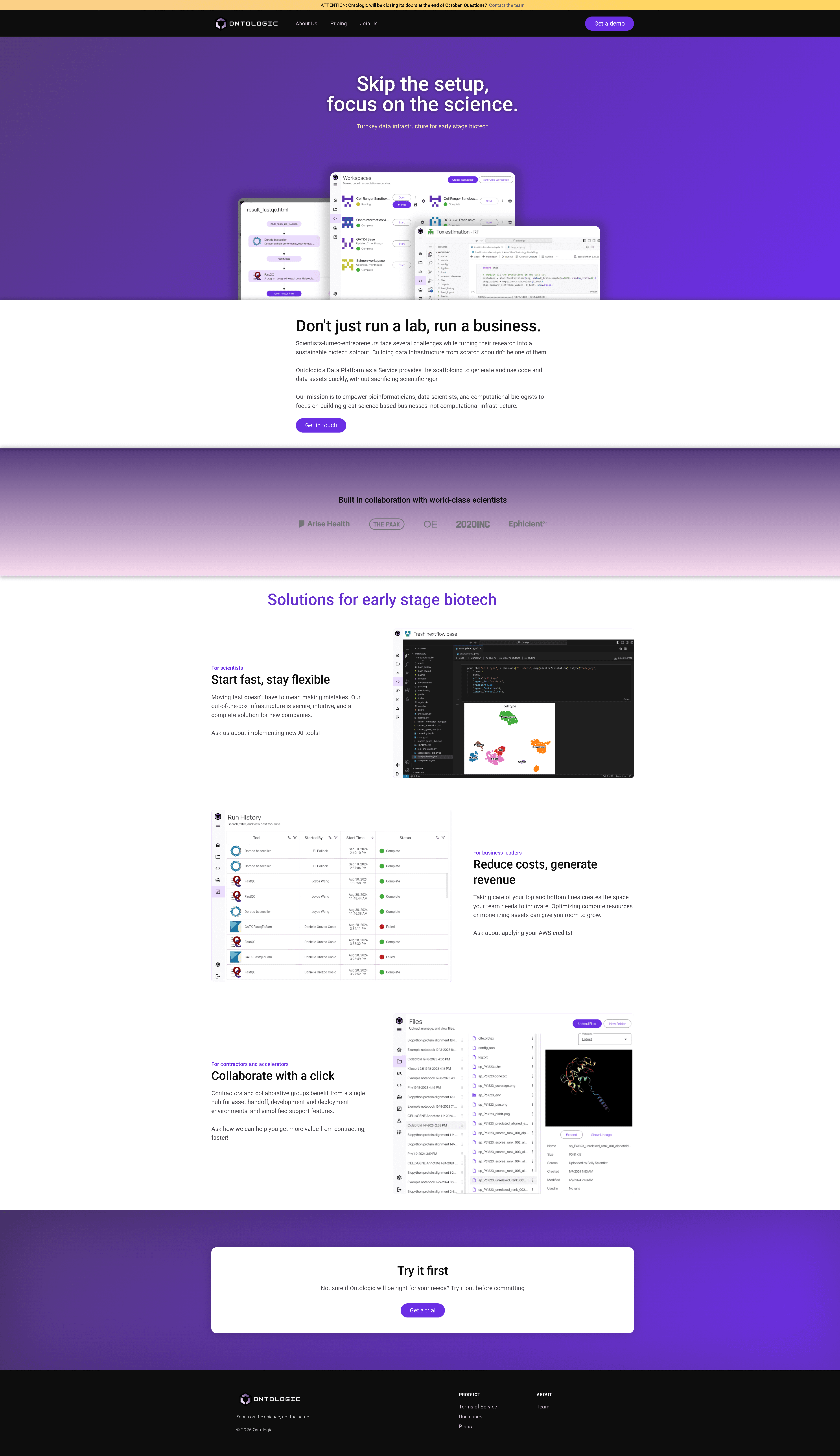
Ontologic is a SaaS platform for designing and managing structured knowledge systems through ontology modeling. It enables teams to define entities, attributes, and relationships in a clear, visual way, transforming fragmented data into organized, machine-readable frameworks. Built for data architects, knowledge engineers, AI teams, and product organizations, the platform emphasizes semantic clarity, scalability, and collaboration.
problem.
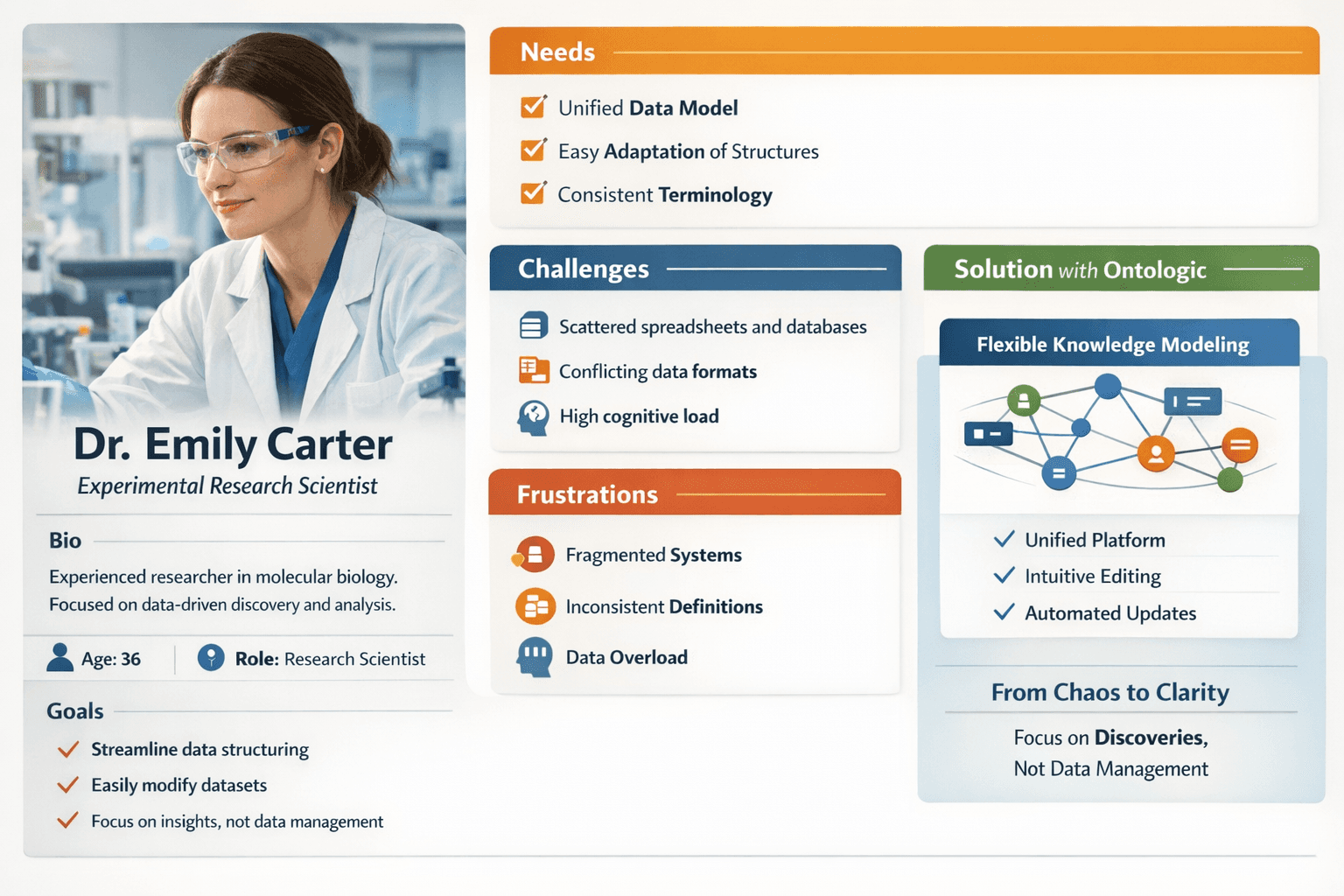
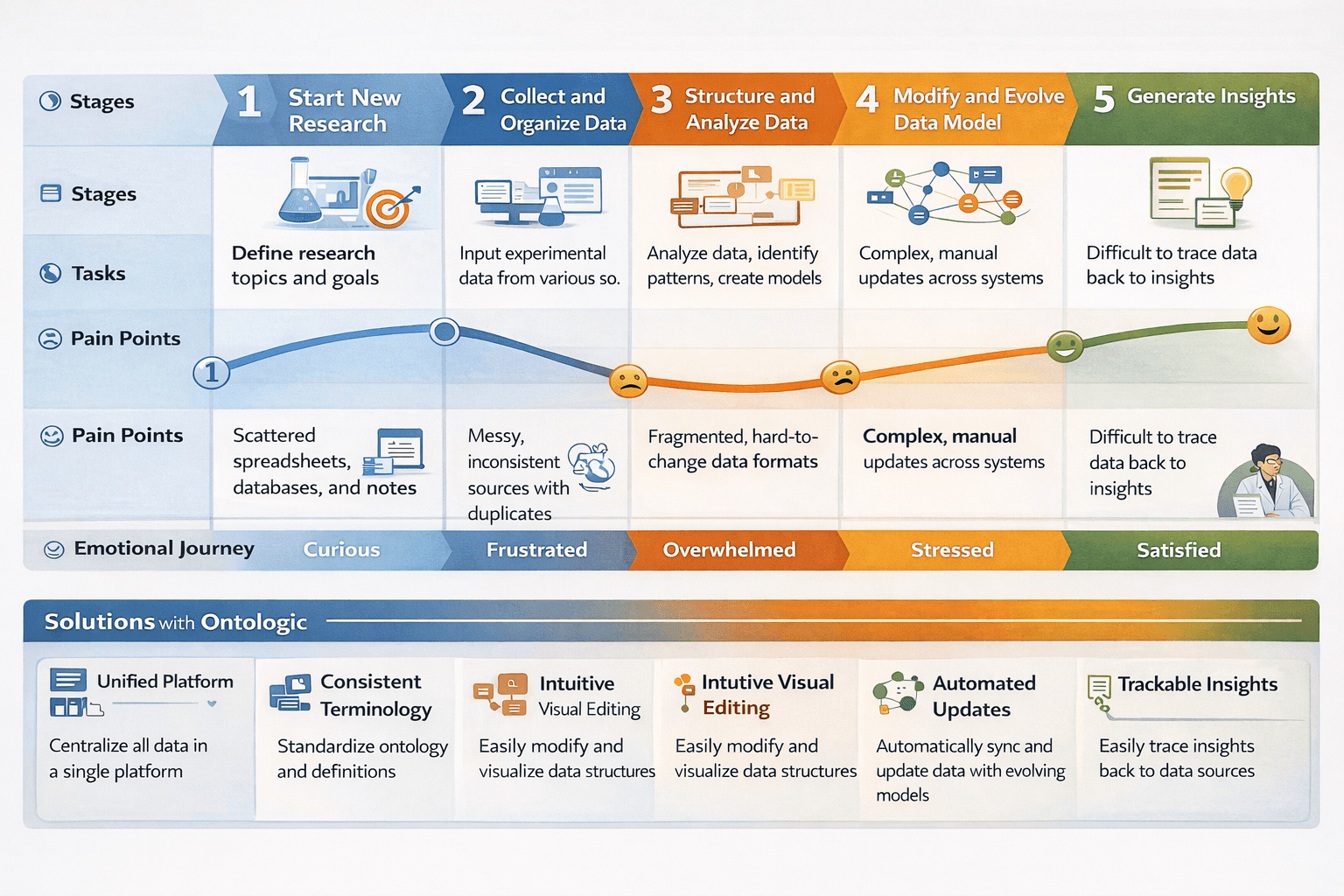
Experimental researchers struggle to efficiently structure and modify complex data that supports their work. Fragmented systems and inconsistent definitions create friction, slowing research and increasing cognitive load. Ontologic must provide a streamlined way to model and evolve structured knowledge so researchers can focus on generating insights rather than managing data.
design process.
For this UX case study, we began by interviewing researchers actively using Ontologic to understand their needs, challenges, and frustrations. Insights from these interviews informed the creation of a user persona that represented experimental researchers navigating complex data processes.
solution and results.
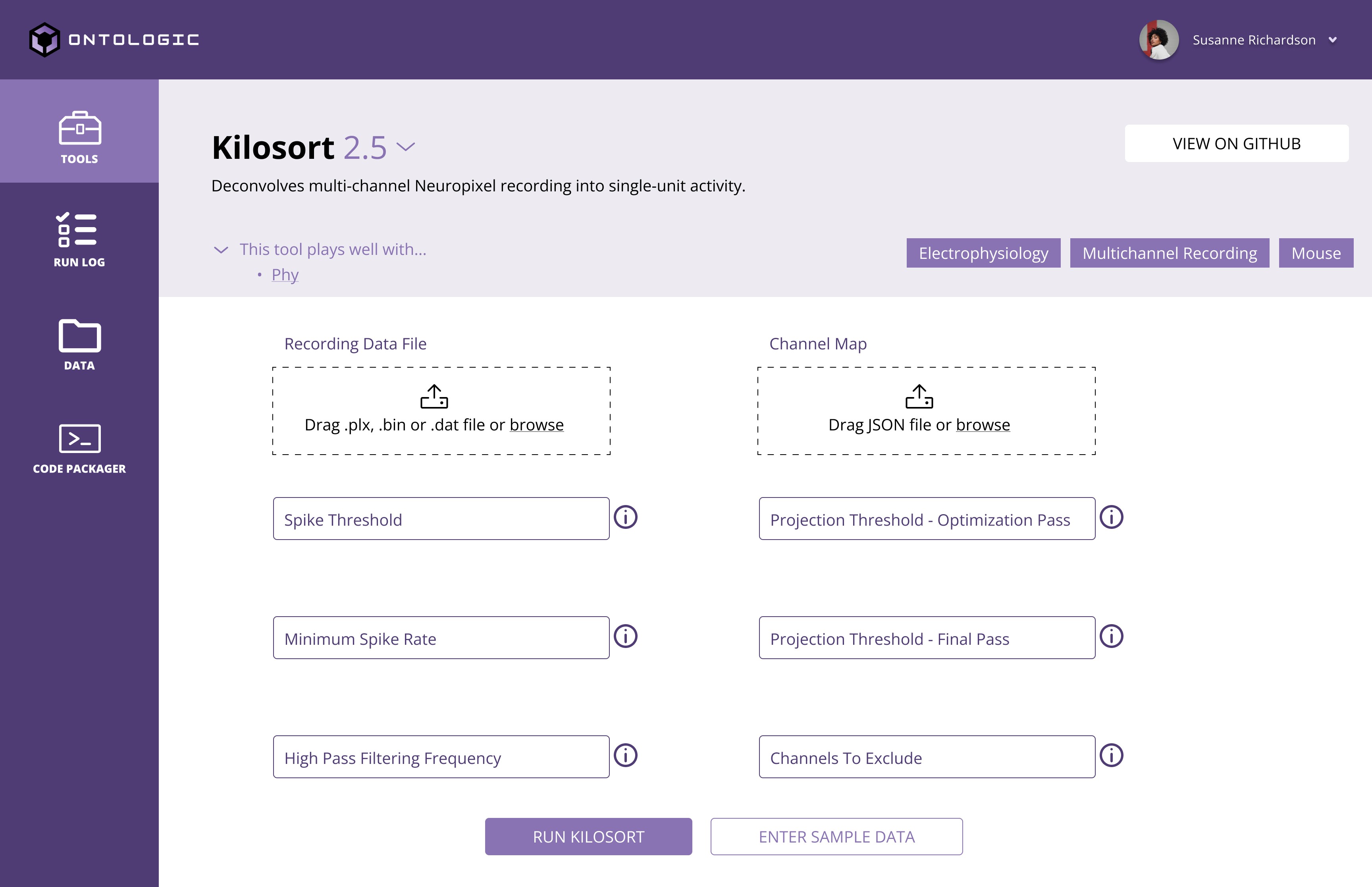
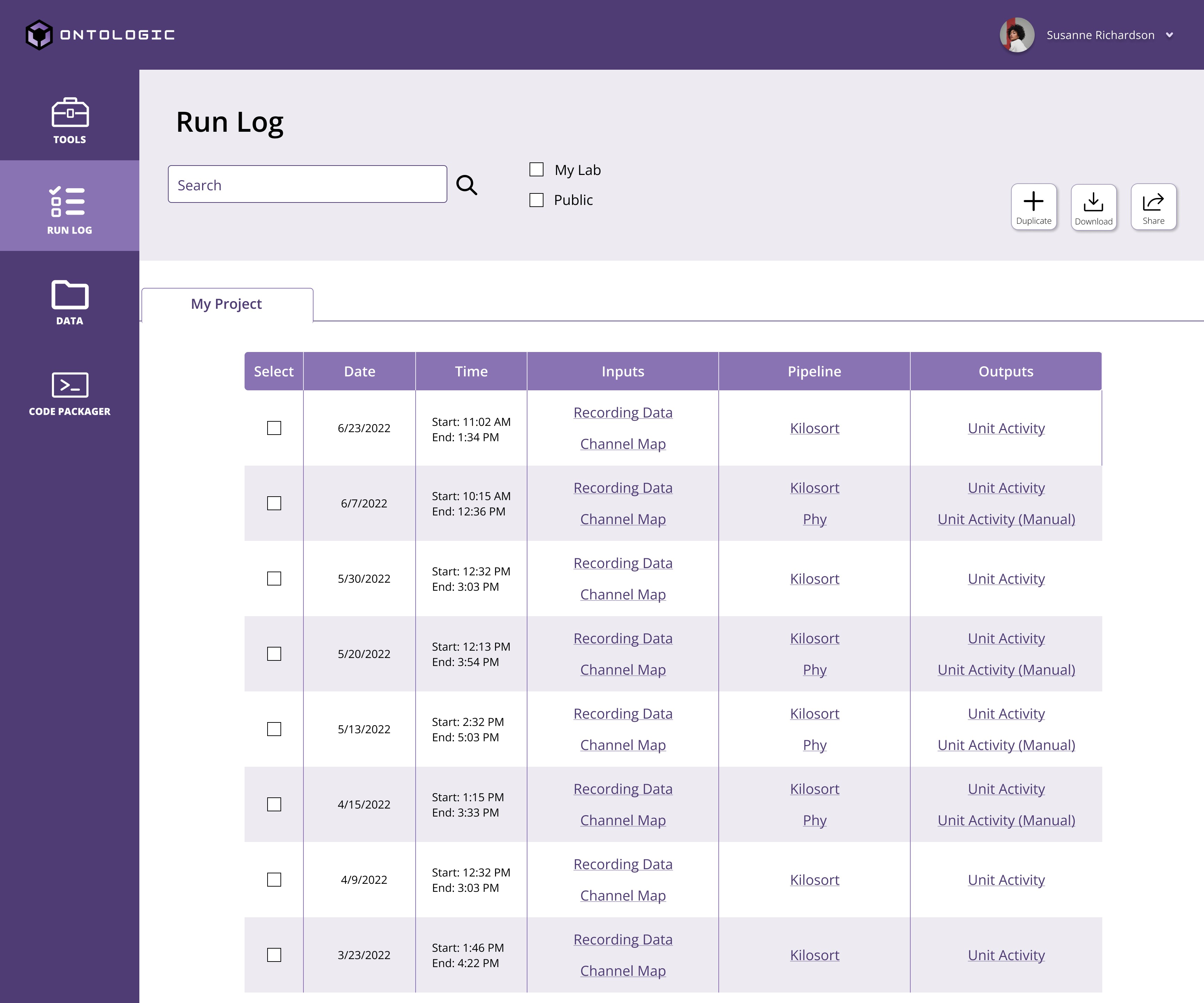
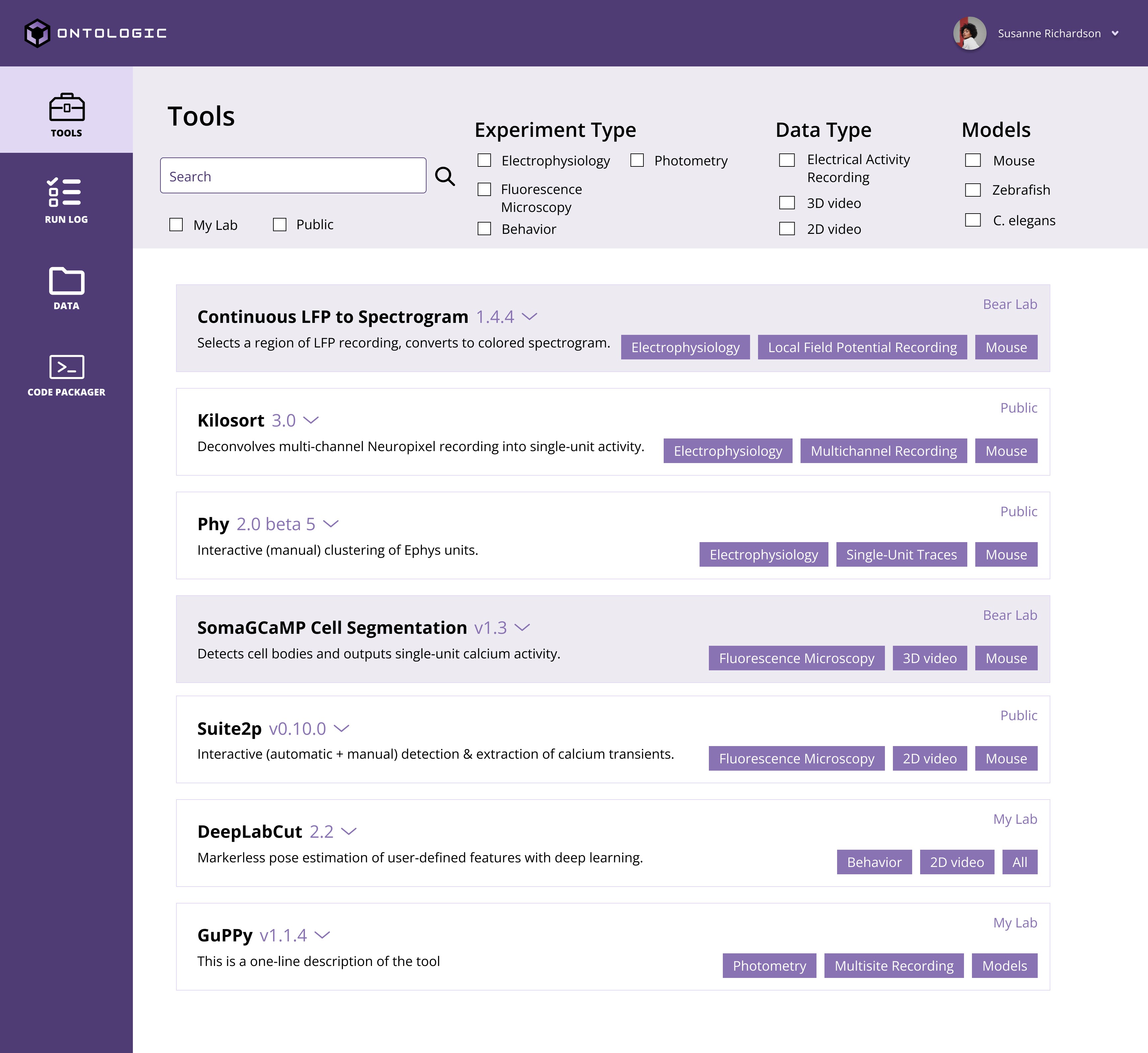
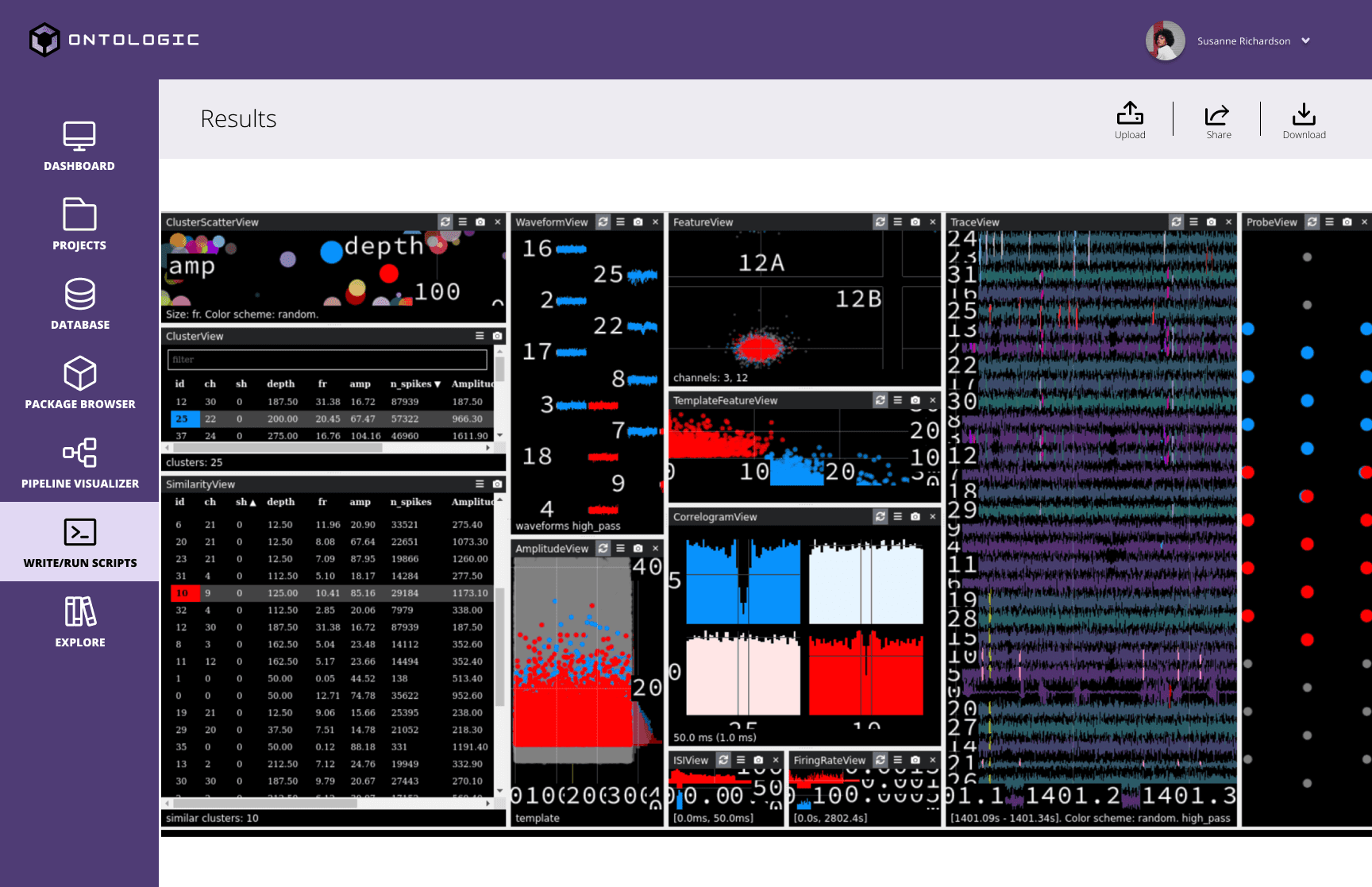
Ontologic provides a unified, schema driven platform that enables researchers to model and evolve complex structured data within one coherent environment. By replacing fragmented systems with a flexible and version aware ontology layer, it standardizes definitions, maintains semantic consistency, and makes relationships between data entities clear and adaptable. With intuitive modeling tools, collaborative editing, and automated validation, teams can update data structures without disrupting downstream work, reducing overhead and allowing researchers to focus on generating insights, accelerating experiments, and improving data quality and reproducibility.
3-11 hrs
Reduction in Manual Data Modeling Time
45%
Decrease in Data Management Overhead
25%
Increase in research productivity